
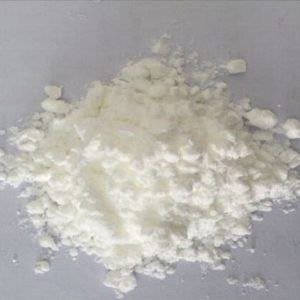
Buy AKB48 (APINACA) Cas 1345973-53-6
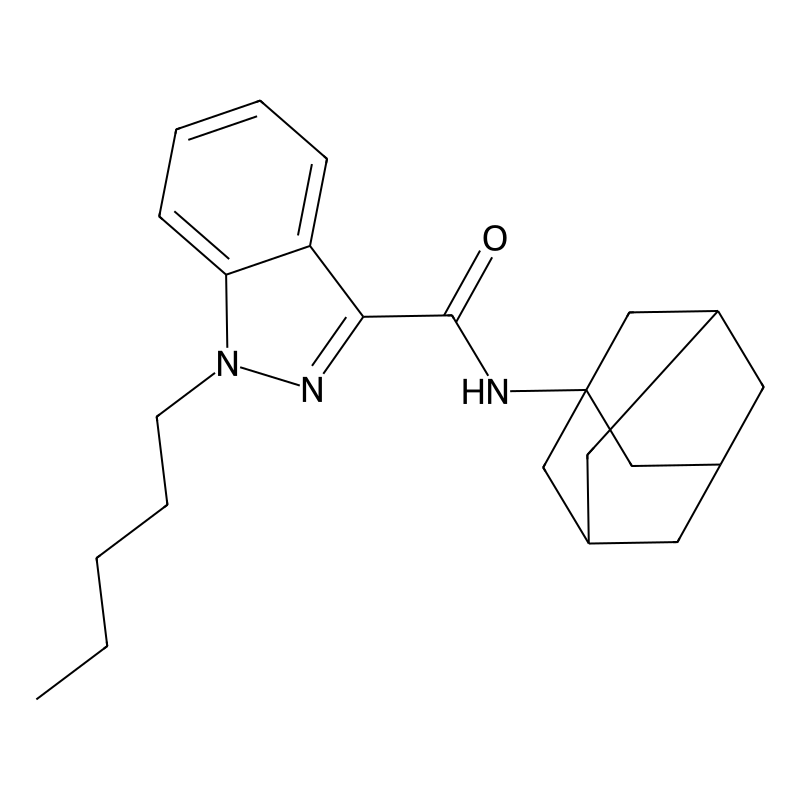
APINACA (AKB48, N-(1-adamantyl)-1-pentyl-1H-indazole-3-carboxamide) is a drug that acts as a reasonably potent agonist for the cannabinoid receptors.[2] It is a full agonist at CB1 with an EC50 of 142 nM[3] and Ki of 3.24 nM (compared to the Ki of Δ9-THC at 28.35 nM and JWH-018 at 9.62 nM),[4] while at CB2 it acts as a partial agonist with an EC50 of 141 nM[3] and Ki of 1.68 nM (compared to the Ki of Δ9-THC at 37.82 nM and JWH-018 at 8.55 nM).[4] Its pharmacological characterization has also been reported in a discontinued patent application.[5]
It had never previously been reported in the scientific or patent literature, and was first identified by laboratories in Japan in March 2012 as an ingredient in synthetic cannabis smoking blends, along with a related compound APICA.[6] It was deliberately being sold named after a popular girl band called AKB48.[7]
Structurally, it closely resembles cannabinoid compounds from a 2003 University of Connecticut patent,[8] but with a simple pentyl chain on the indazole 1-position, and APINACA falls within the claims of this patent despite not being disclosed as an example.
Legality
APINACA was made illegal in Japan in 2012,[9] and was banned as a temporary class drug in New Zealand from 13 July 2012.[10]
APINACA has been banned in Latvia since 14 November 2013.
Since 2013, APINACA has been a Schedule I controlled substance in the United States.[11]
It is also banned in Germany as an Anlage II controlled drug.
APINACA is listed in the Fifth Schedule of the Misuse of Drugs Act (MDA) and therefore illegal in Singapore as of May 2015.[12]
As of October 2015 APINACA is a controlled substance in China.[13]
APINACA is banned in the Czech Republic.[14]
Detection
A forensic standard of APINACA is available, and the compound has been posted on the Forendex website of potential drugs of abuse.[15]
See also
- 5F-AB-PINACA
- 5F-ADB
- 5F-AMB
- 5F-APINACA
- 5F-CUMYL-PINACA
- AB-CHFUPYCA
- AB-CHMINACA
- AB-FUBINACA
- AB-PINACA
- ADAMANTYL-THPINACA
- ADB-CHMINACA
- ADB-FUBINACA
- ADB-PINACA
- ADBICA
- APICA
- FUB-APINACA
- MDMB-CHMICA
- PX-3
- SDB-001
- STS-135
- Synthetic cannabinoid
- Synthetic cannabis
Apinaca
Content Navigation
Forensic and pharmacological labs often face baseline drift and metabolite artifacts when using fluorinated cannabinoid standards. Apinaca (AKB48) is the non-halogenated indazole carboxamide reference that eliminates these issues.
- Enables definitive MS discrimination from 5F-APINACA via adamantyl fragment (m/z 135) and molecular ion (m/z 365).
- Provides clean SAR baseline: hCB1 Ki=3.24 nM, hCB2 Ki=1.68 nM without sub-nanomolar receptor desensitization.
- Lacks fluorine, avoiding oxidative defluorination toxicity, suitable for CYP3A4 hydroxylation studies.
Supplied as a certified reference material for immediate global dispatch.
CAS Number
Product Name
IUPAC Name
Molecular Formula
Molecular Weight
InChI
InChI Key
SMILES
solubility
Synonyms
Canonical SMILES
Purity
Package Size
Apinaca (AKB48), chemically N-(1-adamantyl)-1-pentyl-1H-indazole-3-carboxamide (CAS: 1345973-53-6), is a prominent indazole-based synthetic cannabinoid utilized extensively as an analytical reference standard and pharmacological research tool[1]. Featuring a robust adamantyl amide linkage and a non-halogenated pentyl chain, Apinaca serves as a critical structural baseline for evaluating cannabinoid receptor (CB1/CB2) binding affinities and metabolic pathways[2]. In procurement contexts—particularly for forensic toxicology, clinical mass spectrometry, and neuropharmacology—Apinaca is prioritized for its chemical stability, distinct fragmentation profile, and utility in structure-activity relationship (SAR) mapping against its highly potent, halogenated derivatives [3].
Research Fit
References
- [1] WHO Expert Committee on Drug Dependence. Critical Review Report: APINACA (AKB-48). 2019.
- [2] Gandhi, A. S., et al. First Characterization of AKB-48 Metabolism, a Novel Synthetic Cannabinoid, Using Human Hepatocytes and High-Resolution Mass Spectrometry. The AAPS Journal, 2013.
- [3] UNODC. Recommended Methods for the Identification and Analysis of Synthetic Cannabinoid Receptor Agonists in Seized Materials. 2020.
Substituting Apinaca with generic synthetic cannabinoids (such as classical naphthoylindoles like JWH-018) or its direct fluorinated analog (5F-APINACA) fundamentally compromises analytical resolution and pharmacological assay integrity [1]. While 5F-APINACA shares the core indazole-adamantyl scaffold, the terminal fluorine significantly alters receptor binding kinetics, pushing CB2 affinity into the sub-nanomolar range and introducing complex defluorination metabolic pathways that confound toxicity studies [2]. Furthermore, substituting with ester-linked cannabinoids (e.g., PB-22) introduces severe thermal and solvolytic instability during GC-MS analysis and methanolic storage [3]. Consequently, precise quantification, definitive forensic identification, and accurate baseline SAR modeling require the exact, non-halogenated Apinaca standard.
Substitution Risk
References
- [1] UNODC. Recommended Methods for the Identification and Analysis of Synthetic Cannabinoid Receptor Agonists in Seized Materials. 2020.
- [2] WHO Expert Committee on Drug Dependence. 5F-APINACA (5F-AKB-48) Review Report. 2014.
- [3] Office of Justice Programs. Characterization of Designer Drugs: Chemical Stability, Exposure, and Metabolite Identification Final Summary Overview. 2018.
Receptor Binding Baseline for SAR
Apinaca serves as a critical non-halogenated baseline for evaluating indazole-carboxamide cannabinoid receptor activity. In competitive radioligand binding assays using human CB1 and CB2 receptors expressed in CHO cells, Apinaca demonstrates potent but measurable affinities (Ki = 3.24 nM for hCB1; 1.68 nM for hCB2). In contrast, its terminally fluorinated analog, 5F-APINACA, exhibits a hyper-potent shift, particularly at the CB2 receptor (Ki = 0.266 nM), representing a ~6.3-fold increase in CB2 affinity [REFS-1, REFS-2]. For researchers mapping structure-activity relationships (SAR), utilizing Apinaca avoids the ceiling effects and receptor desensitization commonly associated with sub-nanomolar fluorinated analogs.
| Evidence Dimension | Receptor Binding Affinity (Ki) |
| Target Compound Data | Apinaca: hCB1 Ki = 3.24 nM; hCB2 Ki = 1.68 nM |
| Comparator Or Baseline | 5F-APINACA: hCB1 Ki = 1.94 nM; hCB2 Ki = 0.266 nM |
| Quantified Difference | ~6.3-fold lower CB2 affinity and ~1.6-fold lower CB1 affinity for Apinaca |
| Conditions | In vitro radioligand competitive binding assay (CHO cells) |
Procuring Apinaca is essential for establishing stable, non-halogenated baseline binding kinetics in cannabinoid receptor assays without the hyper-potency complications of fluorinated derivatives.
Defluorination-Free Metabolism
In forensic and clinical toxicology, the metabolic profile of a reference standard dictates its utility in tracking in vivo exposure. Apinaca undergoes predictable, extensive biotransformation catalyzed primarily by CYP3A4, resulting in mono-, di-, and tri-hydroxylation on the adamantyl ring and N-pentyl side chain [1]. Conversely, substituting with 5F-APINACA introduces complex oxidative defluorination pathways that generate toxic fluoro-metabolites (e.g., fluoroacetic acid) and confound cell-viability assays [2]. By lacking the terminal halogen, Apinaca provides a cleaner metabolic signature, ensuring that observed cellular responses in hepatocyte models are driven by the indazole-carboxamide core rather than off-target halogen toxicity.
| Evidence Dimension | Primary Metabolic Degradation Pathways |
| Target Compound Data | Apinaca: Predictable adamantyl/pentyl hydroxylation (CYP3A4-mediated) |
| Comparator Or Baseline | 5F-APINACA: Significant oxidative defluorination yielding toxic fluoro-metabolites |
| Quantified Difference | Complete absence of defluorination-induced toxicity and artifact formation in Apinaca |
| Conditions | Human hepatocyte and liver microsome incubation models |
Apinaca provides a stable, non-fluorinated metabolic baseline for toxicology screening, eliminating confounding variables from toxic fluoro-metabolites during in vitro assays.
GC-MS Fragmentation Differentiation
Definitive identification of synthetic cannabinoids in complex biological matrices requires distinct mass spectrometry fragmentation patterns. Under Electron Ionization (EI) GC-MS, Apinaca yields a molecular ion at m/z 365, with highly diagnostic cleavage fragments at m/z 135 (adamantyl cation), 150, and 215 [1]. This sharply contrasts with classical naphthoylindoles like JWH-018, which present a molecular ion at m/z 341 and distinct naphthoyl-driven fragmentation [1]. Procurement of the exact Apinaca certified reference material is mandatory for forensic laboratories to calibrate instruments capable of resolving the adamantyl-indazole structure from legacy synthetic cannabinoids, preventing false positives in legal and clinical settings.
| Evidence Dimension | GC-MS Diagnostic Fragmentation (m/z) |
| Target Compound Data | Apinaca: Molecular ion m/z 365; diagnostic adamantyl fragment m/z 135 |
| Comparator Or Baseline | JWH-018: Molecular ion m/z 341; naphthoyl fragments |
| Quantified Difference | Absolute structural differentiation via distinct m/z 365 vs m/z 341 molecular ions and unique cleavage pathways |
| Conditions | Electron ionization (EI) GC-MS analysis of biological extracts |
Forensic and clinical toxicology labs must procure the exact Apinaca standard to definitively resolve indazole-adamantyl structures from classical naphthoylindoles in complex matrices.
Analytical Chemical Stability
The structural linkage of a synthetic cannabinoid dictates its stability during sample preparation and chromatographic analysis. Apinaca utilizes a robust carboxamide linkage connecting the indazole core to the adamantyl group. This amide bond exhibits high thermal and solvolytic stability. In contrast, ester-linked synthetic cannabinoids (such as PB-22) are highly susceptible to rapid hydrolysis and transesterification when stored in methanolic solutions or subjected to elevated injection port temperatures [1]. Apinaca’s resistance to solvolysis ensures a significantly longer shelf-life for prepared analytical standards and prevents the formation of degradation artifacts during high-temperature GC-MS runs.
| Evidence Dimension | Solvolytic and Thermal Stability |
| Target Compound Data | Apinaca (Amide-linked): High resistance to methanolic transesterification and thermal degradation |
| Comparator Or Baseline | PB-22 (Ester-linked): Rapid hydrolysis and transesterification in methanol |
| Quantified Difference | Prevention of artifact formation and significant extension of standard solution shelf-life for Apinaca |
| Conditions | Storage in methanolic solutions and GC-MS injection port vaporization (250-300°C) |
Procuring the amide-linked Apinaca ensures reliable, long-term stability of analytical reference solutions, reducing the need for constant restandardization compared to ester-linked alternatives.
Forensic MS Reference Standardization
Due to its unique mass-to-charge fragmentation (m/z 365 molecular ion, m/z 135 adamantyl fragment) and high thermal stability, Apinaca is strictly required as a certified reference material (CRM) for calibrating forensic mass spectrometers. It enables laboratories to definitively distinguish non-halogenated indazole-carboxamides from fluorinated analogs (5F-APINACA) and classical naphthoylindoles in complex biological matrices [1].
CB1/CB2 Binding Assays
Apinaca is the optimal non-halogenated baseline ligand for mapping structure-activity relationships (SAR) in competitive radioligand assays. By providing measurable, low-nanomolar affinities (Ki = 3.24 nM for hCB1; 1.68 nM for hCB2), it allows pharmacologists to establish control kinetics without the rapid receptor desensitization and sub-nanomolar ceiling effects caused by hyper-potent fluorinated derivatives[2].
Hepatocyte Metabolism & CYP Profiling
Because it lacks a terminal fluorine atom, Apinaca serves as a clean substrate for studying CYP3A4-mediated adamantyl and pentyl hydroxylation. It is procured for in vitro liver microsome and hepatocyte assays where researchers must isolate the metabolic behavior of the indazole-carboxamide core without the confounding cellular toxicity generated by oxidative defluorination pathways [3].
Application Fit Matrix
References
- [1] UNODC. Recommended Methods for the Identification and Analysis of Synthetic Cannabinoid Receptor Agonists in Seized Materials. 2020.
- [2] WHO Expert Committee on Drug Dependence. Critical Review Report: APINACA (AKB-48). 2019.
- [3] Gandhi, A. S., et al. First Characterization of AKB-48 Metabolism, a Novel Synthetic Cannabinoid, Using Human Hepatocytes and High-Resolution Mass Spectrometry. The AAPS Journal, 2013.
XLogP3
Hydrogen Bond Acceptor Count
Hydrogen Bond Donor Count
Exact Mass
Monoisotopic Mass
Heavy Atom Count
Appearance
Storage
UNII
Wikipedia
Welcome to Chemsfine, your trusted source to buy AKB-48 Powder for sale online. We offer high-purity AKB-48, also widely recognized by its alternative names, 5F-AKB48 and 5F-APINACA. This indazole-based synthetic cannabinoid has gained attention in the market as a designer drug. Our commitment to quality ensures that researchers and professionals can acquire top-grade materials for their specific needs. When you choose Chemsfine, you are selecting a provider dedicated to delivering premium research chemicals with unmatched reliability and customer support. Discover why countless customers trust us for their laboratory requirements and secure online purchases.
What is AKB-48?
AKB-48, scientifically known as 5F-AKB48 or 5F-APINACA, is a complex indazole-based synthetic cannabinoid. Its chemical structure is meticulously designed, and it has been identified as a designer drug available for purchase online. This compound exhibits a close structural resemblance to various cannabinoid compounds detailed in patent WO 2003/035005. Specifically, it features a 5-fluoropentyl chain attached at the indazole 1-position. The structural characteristics position 5F-APINACA within the broader scope of this patent, even though it was not explicitly listed as an example. Its design is notably similar to the corresponding pentanenitrile and 4-chlorobutyl compounds, which are specifically cited as examples 3 and 4 within the patent. This detailed structural information underscores the advanced chemical engineering behind this compound, making it a subject of extensive research. Researchers seeking top quality 5F-APINACA will find Chemsfine an excellent resource for their analytical and scientific endeavors.
This synthetic cannabinoid is anticipated to be a potent agonist for both the CB1 receptor and the CB2 receptor. Such activity suggests significant interactions within biological systems, making it a valuable subject for pharmacological studies. The metabolism of 5F-APINACA has been thoroughly described in existing literature, providing a foundation for further investigation into its pharmacokinetics and pharmacodynamics. Understanding these aspects is crucial for any responsible research application of this potent compound. We ensure that our AKB-48 meets the highest purity standards for reliable experimental outcomes.
Why Buy 5F-AKB48 Online at Chemsfine?
Choosing Chemsfine for your AKB-48 requirements means partnering with a supplier committed to excellence and scientific integrity. We understand the critical importance of purity and consistency in research chemicals. Our products, including 5F-AKB48, are sourced and handled with the utmost care to maintain their chemical properties and efficacy. When you look to buy 5F-AKB48 online, you expect a product that delivers on its promises, and Chemsfine stands as a beacon of trust in the industry. We are dedicated to providing the best 5F-APINACA available on the market, ensuring that every batch undergoes rigorous quality control checks.
Furthermore, our commitment extends beyond just product quality. We offer a seamless and secure online purchasing experience, ensuring your transactions are protected and private. Our expert team is always ready to assist with any inquiries, providing comprehensive support to researchers and professionals. With Chemsfine, you gain access to a reliable supply chain for advanced research chemicals, enabling you to conduct your studies with confidence and precision. Experience the difference that dedication to high standards and customer satisfaction makes when you choose Chemsfine for your synthetic cannabinoid needs.
Applications of 5F-APINACA
5F-APINACA is primarily utilized in various scientific and research applications due to its distinct properties as a synthetic cannabinoid. Its unique chemical structure and receptor activity make it a valuable tool for understanding complex biological pathways and developing new insights in pharmacology and toxicology. As a laboratory-grade compound, it is not intended for human consumption but rather for controlled experimental settings.
- Pharmacological Research: Studying the interaction with CB1 and CB2 receptors.
- Metabolism Studies: Investigating its degradation pathways and metabolites in vitro.
- Analytical Chemistry: Use as a reference standard for identification and quantification.
- Neuroscience Research: Exploring its potential effects on neuronal activity and signaling.
- Forensic Science: For the detection and identification of synthetic cannabinoids in samples.
- Chemical Synthesis: As a precursor or intermediate in further chemical modifications.
- Toxicological Screening: Assessing its potential toxicological profiles in controlled environments.
Safety & Compliance for Synthetic Cannabinoids
Working with potent compounds like AKB-48 requires strict adherence to safety protocols and regulatory guidelines. As a high-purity research chemical, it should only be handled by trained professionals in a controlled laboratory environment. Appropriate Personal Protective Equipment (PPE), including gloves, lab coats, and eye protection, is mandatory to minimize exposure risks. Ensure your workspace is well-ventilated and equipped with proper safety measures. It is crucial to understand that this product is sold strictly for research purposes and not for human or animal consumption.
While this synthetic cannabinoid is primarily a research chemical, its potent nature leads to some important considerations, often found in discussions around powerful substances. The original descriptions associated with compounds of this type sometimes highlight aspects of regulated substances. For instance, statements suggesting: “If you are taking this medication for side effects from another medication, your doctor may instruct you to take it on a regular schedule or only as needed.” Furthermore, “If you are taking this medication for Parkinson’s disease, your doctor may change the dose of your other medications (e.g., levodopa). Follow your doctor’s instructions closely.” These passages, originating from the initial product information, underscore the need for extreme caution and professional guidance when dealing with substances exhibiting strong biological activity. It is imperative to remember that this AKB-48 is offered for laboratory research and not as a pharmaceutical product. Adherence to all local and international regulations pertaining to the handling and storage of research compounds is paramount. Safety Data Sheets (SDS) and Certificates of Analysis (CoA) are available upon request to ensure transparency and proper handling procedures for this high purity for sale compound.
It is important to acknowledge the inherent risks associated with such potent substances. The provided information also contains strong warnings about addiction potential: “Though it helps many people, this medication may sometimes cause addiction. This risk may be higher if you have a substance use disorder (such as overuse of or addiction to drugs/alcohol).” This further reinforces the critical need for responsible handling and strict adherence to prescribed research protocols. “Do not increase your dose, take it more often, or use it for a longer time than prescribed.” These cautions, present in the original description, serve as a stern reminder for all researchers to exercise the highest level of care and ethical consideration during experimentation with 5F-APINACA.
Why Choose Chemsfine?
At Chemsfine, we are dedicated to being your reliable partner for high-quality research chemicals. Our commitment to transparency, verified batch records, and competitive pricing sets us apart. We ensure that every product, including 5F-APINACA, is delivered with complete documentation and assurance of its purity and authenticity. When you decide to order 5F-AKB48 online from Chemsfine, you are choosing a provider that prioritizes your research success and safety.
Our comprehensive selection of laboratory grade for sale chemicals is meticulously tested to ensure they meet stringent quality standards. We pride ourselves on providing exceptional customer service and support, making the purchasing process straightforward and efficient. From initial inquiry to final delivery, Chemsfine is focused on your satisfaction. Experience a secure purchase process and prompt delivery when you choose Chemsfine for your essential research compounds. We make it easy to buy now online with confidence.
| Property | Description |
|---|---|
| Alternative Names | 5F-AKB48, 5F-APINACA |
| Chemical Class | Indazole-based Synthetic Cannabinoid |
| Structural Similarity | Patent WO 2003/035005 (Examples 3 & 4) |
| Receptor Activity | Potent agonist of CB1 and CB2 receptors |
| Primary Use | Research and Laboratory Applications Only |
| Purity | High-grade, Tested for Quality |
Conclusion
In conclusion, AKB-48, known also as 5F-APINACA or 5F-AKB48, stands as a critical synthetic cannabinoid for advanced research. Its unique structural properties and potent receptor activity make it invaluable for scientific inquiry. At Chemsfine, we provide only the purest form of this compound, ensuring reliable and accurate experimental results. We invite you to experience our exceptional service and quality products. For researchers and laboratories seeking an authentic source, you can confidently buy AKB-48 Powder for sale from Chemsfine. Secure your supply today and advance your scientific discoveries with a trusted partner. Buy AKB48 (APINACA) Cas 1345973-53-6Buy AKB48 (APINACA) Cas 1345973-53-6Buy AKB48 (APINACA) Cas 1345973-53-6Buy AKB48 (APINACA) Cas 1345973-53-6Buy AKB48 (APINACA) Cas 1345973-53-6Buy AKB48 (APINACA) Cas 1345973-53-6Buy AKB48 (APINACA) Cas 1345973-53-6Buy AKB48 (APINACA) Cas 1345973-53-6Buy AKB48 (APINACA) Cas 1345973-53-6Buy AKB48 (APINACA) Cas 1345973-53-6Buy AKB48 (APINACA) Cas 1345973-53-6Buy AKB48 (APINACA) Cas 1345973-53-6Buy AKB48 (APINACA) Cas 1345973-53-6Buy AKB48 (APINACA) Cas 1345973-53-6Buy AKB48 (APINACA) Cas 1345973-53-6Buy AKB48 (APINACA) Cas 1345973-53-6Buy AKB48 (APINACA) Cas 1345973-53-6Buy AKB48 (APINACA) Cas 1345973-53-6Buy AKB48 (APINACA) Cas 1345973-53-6Buy AKB48 (APINACA) Cas 1345973-53-6Buy AKB48 (APINACA) Cas 1345973-53-6Buy AKB48 (APINACA) Cas 1345973-53-6Buy AKB48 (APINACA) Cas 1345973-53-6
-
AKB48 (APINACA, CAS Number: 1345973-53-6) | Cayman Chemical
AKB48 (Item No. ISO00060) is an analytical reference material that is structurally similar to known synthetic cannabinoids. AKB48 is …
-
Buy APINACA (AKB48) – Synthetic Cannabinoid Standard | RChemMart
Order APINACA (AKB48) from RChemMart – a high-purity reference standard for synthetic cannabinoids, suitable for toxicological …
-
Buy AKB-48 Online | Verified APINACA SCRA Best …
Need to buy akb-48 online for forensic validation? Source premium, lab-tested AKB-48 (APINACA) powder. …
-
AKB48 (CRM) (APINACA, CAS Number: 1345973-53-6) | Cayman …
AKB48 (CRM) (Item No. ISO60060) is a certified reference material that is structurally similar to known synthetic …
-
APINACA (CAS 1345973-53-6) | CB1/CB2 Agonist | BenchChem
Buy APINACA (CAS 1345973-53-6) from BenchChem. High-purity CB1/CB2 agonist reference standard for forensic analysis & DDI …
-
Buy AKB-48 Powder Online – Best Price Available | Chemsfine
Discover AKB-48 Powder, also known as 5F-APINACA, for sale online at Chemsfine. Get top-quality synthetic cannabinoids with …
-
APINACA (AKB-48) 100ug/mL methanol, certified … – MilliporeSigma
APINACA, also known as AKB-48, is an aminoalkylindazole synthetic cannabinoid with a high affinity for the CB 1 receptor. APINACA …
-
Buy Apinaca | 1345973-53-6 | >98%
Apinaca, also known as AKB-48, is a synthetic cannabinoid. Due to its potential for abuse and psychoactive effects, research on …
-
AKB48 – Chemical Route
Formal name 1-pentyl- N -tri cyclo [3.3.1.1 3,7]dec-1-yl-1 H -in dazole-3-carbo xamide. Cas number 1345973-53-6. Formula C 23 H 31 N …
-
AKB 48 | 1345973-53-6 | CA175124 | Biosynth
Buy AKB 48 CA175124 1345973-53-6 online for pharmaceutical testing. High-quality reference standards for accurate results.

Reviews
There are no reviews yet.